

Exactly why is moisture control very important to preventing place tension?
Humidity right influences transpiration, nutrient usage, and over all plant metabolism. When water levels surpass optimum stages, flowers experience paid off transpiration, restricted oxygen availability at the main zone, and slower growth rates. Market knowledge shows that uncontrolled moisture can improve place tension signs by over 30%, resulting in paid down vigor and sporadic plant development. commercial grow room hvac design support stabilize humidity degrees, making an setting wherever flowers may function effortlessly without physiological strain.
How does excess humidity contribute to plant stress?
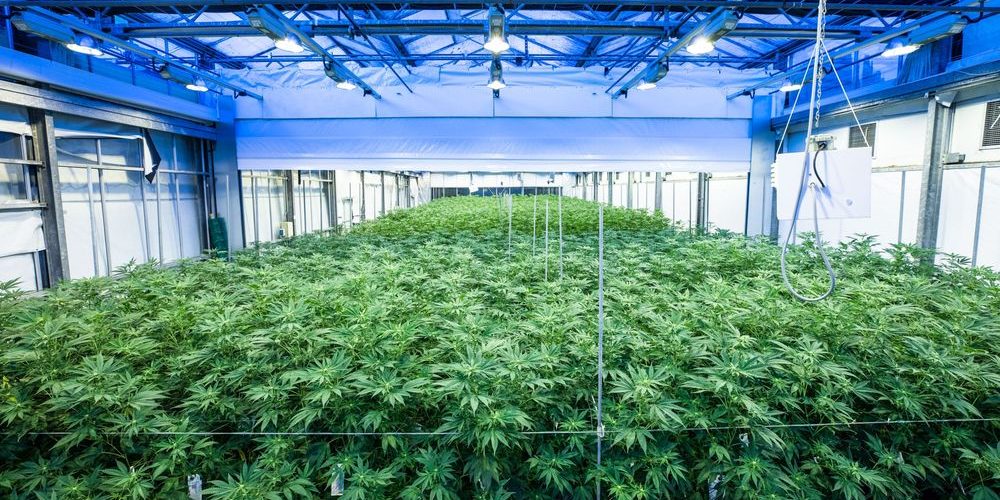
Large humidity disturbs the balance between water absorption and evaporation within seed tissues. That imbalance usually benefits in weak stems, postponed flowering, and improved susceptibility to pathogens. Statistical reports in controlled settings show that crops exposed to prolonged large moisture are up to 40% more prone to knowledge stress-related disorders. By positively eliminating excess moisture from the air , greenhouse dehumidifiers lower these risks and support regular seed performance.
What role do greenhouse dehumidifiers play in disease-related strain decrease?
Wet situations certainly are a main trigger for fungal growth and bacterial growth, both that significantly pressure plants. Research-driven greenhouse procedures report that sustaining optimal relative humidity can lower infection stress by almost 50%. Greenhouse dehumidifiers limit condensation on leaves and architectural areas, helping crops allocate energy toward growth as opposed to protection responses.
Just how do dehumidifiers support secure transpiration prices?
Transpiration is required for vitamin transportation and temperature regulation within plants. When moisture degrees are too much, transpiration decreases, producing vitamin fluctuations that lead to strain signs such as for example leaf curl and discoloration. Greenhouse dehumidifiers maintain balanced air humidity, enabling continuous transpiration and lowering internal plant stress. Data from commercial greenhouses shows increased vitamin performance when moisture is kept within managed thresholds.
May greenhouse dehumidifiers improve over all place resilience?
Yes, consistent humidity control strengthens plant framework and promotes stress tolerance. Flowers grown in secure conditions display stronger origin techniques and increased response to environmental changes. Mathematical efficiency studies suggest that crops grown with controlled dehumidification display generate improvements of 15–25% compared to unmanaged surroundings, highlighting paid off pressure influence through the growth cycle.
Why are greenhouse dehumidifiers essential for modern farming systems?
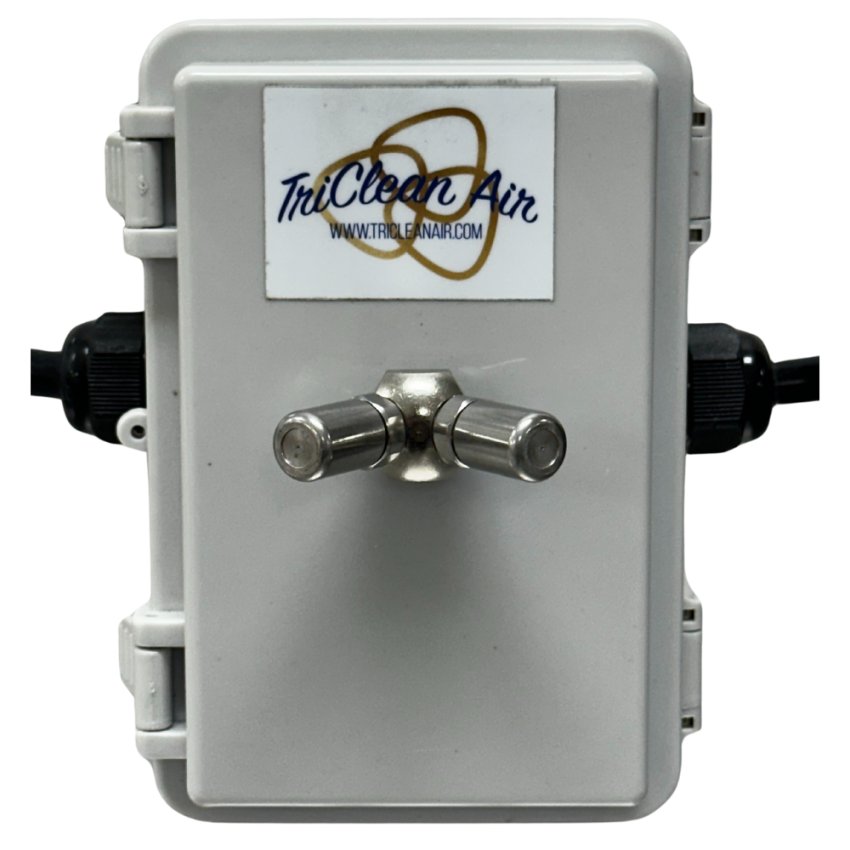
Modern greenhouse production relies on precision climate control to generally meet high-quality and produce expectations. Dehumidifiers perform along with temperature and airflow methods to produce healthy growing conditions. By reducing humidity-related pressure, these systems support plants keep power performance, development uniformity, and long-term productivity.
What is the long-term impact of reduced plant stress?
Decrease pressure levels lead to healthy plants, improved crop reliability, and predictable crop cycles. Over time, greenhouse procedures that prioritize moisture control experience fewer losses, higher market-quality generate, and increased functional efficiency. Greenhouse dehumidifiers enjoy a crucial position in reaching these outcomes by protecting plants from avoidable environmental stress.