

In commercial and mid-scale cannabis farming, climate control methods are no more only operational tools—they are strategic investments. When made and handled effectively, these systems straight impact return on investment (ROI) by increasing deliver reliability, lowering failures, and reducing power costs. Below is just a data-driven, FAQ-style description explaining how Cannabis Climate Control systems subscribe to stronger financial performance.
Why Do Climate Control Programs Subject for Cannabis Profitability?
Cannabis crops are highly painful and sensitive to environmental fluctuations. Study across controlled-environment agriculture implies that actually modest variations in heat or humidity can minimize provide potential by 5–15%. Climate control methods strengthen rising problems, ensuring crops stay within optimal ranges during all growth stages. This consistency means estimated harvest rounds, greater preparing, and higher revenue reliability.
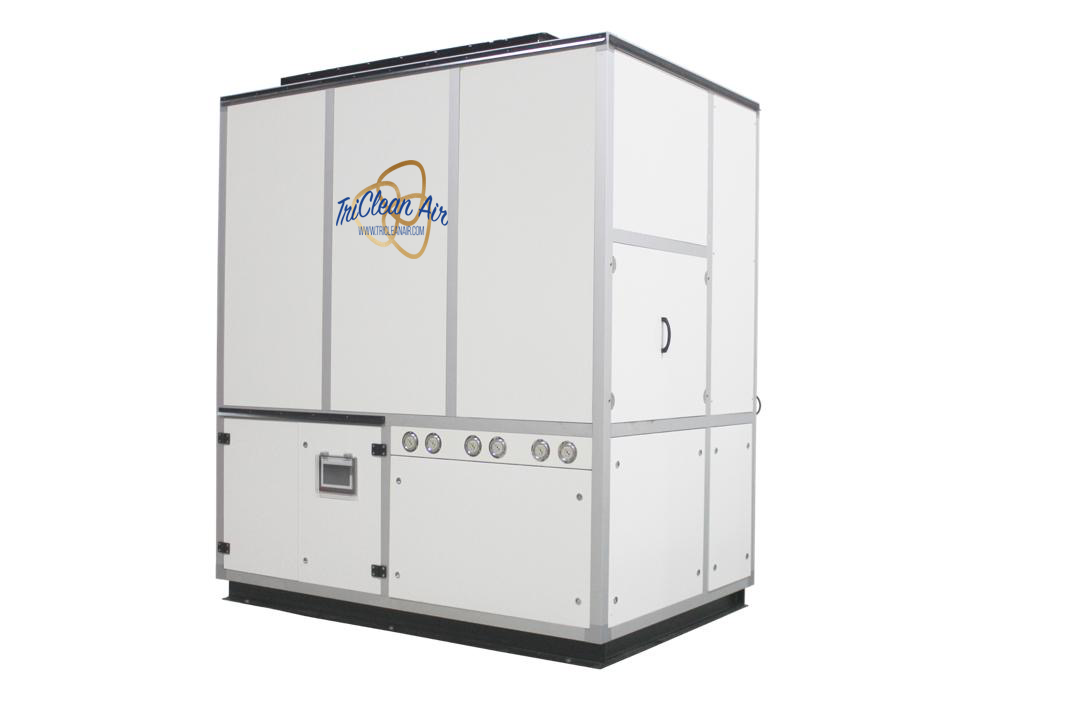
How Does Heat Administration Increase ROI?
Temperature immediately impacts photosynthesis, nutrient usage, and flower development. Reports suggest that sustaining optimum cover temperatures can improve biomass creation by up to 20% compared to unmanaged environments. Contemporary climate control programs automate heating and chilling centered on real-time knowledge, reducing human problem and minimizing stress-related seed losses. Over time, less crop problems and increased productivity significantly enhance gain margins.
What Position Does Humidity Control Enjoy in Charge Reduction?
Moisture mismanagement is among the major factors behind form, mold, and pathogen outbreaks. Market information shows that plant failures from fungal problems may account fully for 10–30% of annual manufacturing in badly managed facilities. Sophisticated dehumidification programs keep healthy vapor stress deficit (VPD), decreasing illness risk while optimizing transpiration. Decreased crop spend and less remediation expenses straight help larger ROI.
Can CO₂ Control Actually Improve Economic Results?
Yes. Managed CO₂ enrichment has been found to boost cannabis yields by 15–30% when used with proper lighting and nutrition. Climate control methods control CO₂ levels to stop spend and guarantee plants absorb it efficiently. This targeted method avoids unwanted fuel use while maximizing photosynthetic efficiency, leading to larger output without proportional increases in operating expenses.
How Do Energy-Efficient Systems Impact Long-Term ROI?
Power prices often signify one of many greatest working costs in interior and greenhouse grows. Modern climate control systems use intelligent devices, variable-speed equipment, and automation to reduce power consumption by around 25% compared to conventional setups. Decrease power costs increase cash flow, while effective programs also increase equipment lifespan, lowering alternative and maintenance costs.
Are Computerized Climate Control Programs Price the Expense?
Automation improves work efficiency and decision-making accuracy. Services applying integrated climate control platforms record as much as 40% less manual adjustments and reduced downtime. By reducing labor addiction and ensuring 24/7 environmental accuracy, automated systems support growers scale operations without proportional increases in staffing or overhead.
How Do Climate Control Systems Help Company Scalability?
Scalability is dependent upon repeatable success. Climate control methods produce standardized growing problems across rooms or services, allowing regular quality at greater volumes. This uniformity helps company consistency, wholesale agreements, and long-term growth strategies—all crucial aspects of sustainable ROI.
The Base Range
Cannabis climate control methods are not more or less seed health—they're about financial performance. By improving deliver performance, lowering losses, reducing power use, and supporting scalable procedures, these methods provide measurable ROI benefits. For growers centered on long-term profitability, climate control is not an expense—it is a revenue optimization strategy.